I think this is where a lot of people get the economy wrong.
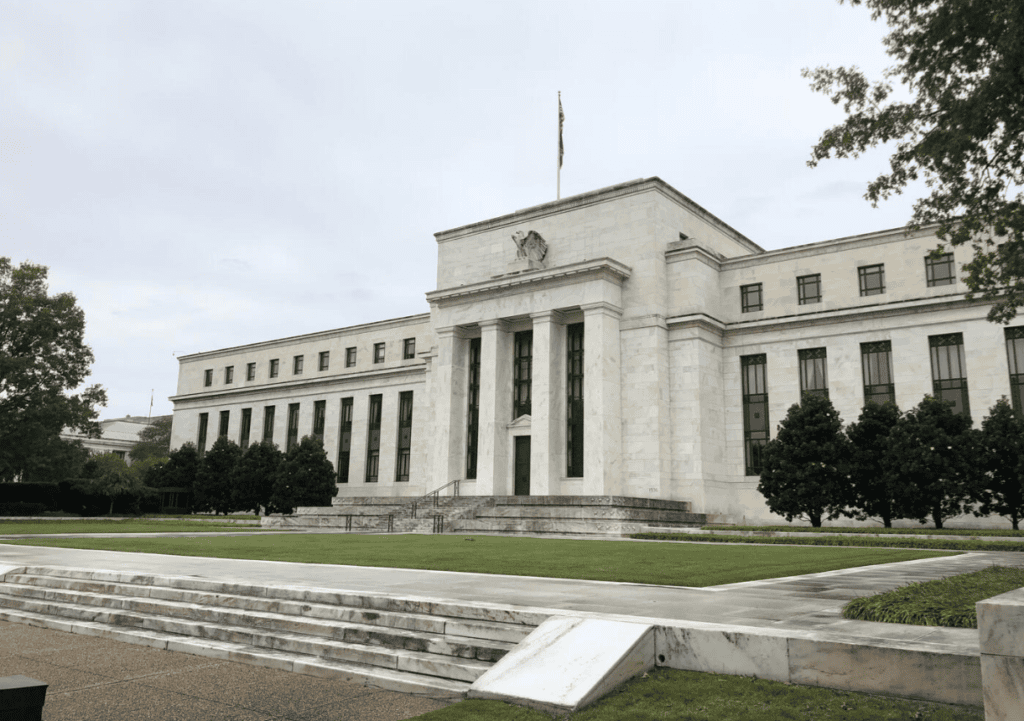
They’re judging today’s Federal Reserve with a 1990s playbook.
Back then the Fed was mostly known for one thing.
Raise rates when inflation got too hot.
Cut rates when the economy slowed.
That was pretty much the conversation.
Look at today’s Fed.
It’s almost an entirely different institution.
After the 2008 financial crisis, it didn’t just lower interest rates.
It built an entirely new financial framework around liquidity.
Quantitative easing.
A balance sheet that grew from under $1 trillion before 2008 to several trillion dollars.
Emergency lending facilities.
Repo market interventions.
Dollar swap lines.
The Bank Term Funding Program.
One emergency tool after another became part of the system.
That’s a huge change.
The Fed isn’t just setting the price of money anymore.
It’s increasingly managing the plumbing of the financial system itself.
Once markets realized the Fed would step in whenever liquidity disappeared, behavior changed.
Investors took more risk.
Debt became easier to justify.
Asset prices climbed far faster than wages.
One point that really stood out while reading the discussion is that inflation didn’t suddenly begin in 2021.
It showed up years earlier.
Just not where most people were looking.
Stocks exploded.
Housing exploded.
Financial assets kept making new highs.
Consumer prices stayed relatively calm, so most people assumed all that money printing wasn’t creating inflation.
It was.
It was just flowing into assets first.
Then the pandemic poured gasoline on a system that was already flooded with liquidity.
Massive government spending collided with an already enormous Federal Reserve balance sheet.
Now the Fed is trying to reverse course.
Here’s where I think things get uncomfortable.
For decades, higher interest rates usually meant investors gained confidence the Fed would get inflation under control.
Today the bond market seems to care about something else too.
Trillion dollar deficits.
A national debt racing toward $40 trillion.
How much new debt Washington has to sell every year.
How much compensation investors demand to keep buying it.
That’s why long-term Treasury yields don’t always move the way people expect.
The market isn’t just judging the Fed anymore.
It’s judging the government’s ability to finance itself without constantly needing more intervention.
Maybe that’s why Janet Yellen once said she didn’t expect another financial crisis in our lifetime.
The toolkit today is far bigger than it was in 2008.
If markets freeze, policymakers have far more ways to inject liquidity than they did a generation ago.
But that raises a different question.
If every crisis gets answered with another liquidity facility, another balance sheet expansion, or another rescue, are we actually solving the problem…
Or are we just getting better at postponing it?
That’s why I think Ron Paul still gets quoted nearly twenty years after the financial crisis.
Whether you agree with him or not, he understood something most people still don’t.
The biggest story isn’t where the Fed sets interest rates.
It’s how much the institution itself has changed.