Trump just opened the door to cheaper car repairs with a new “Freedom to Fix” fight
This one is about something almost every driver understands.
A repair bill.
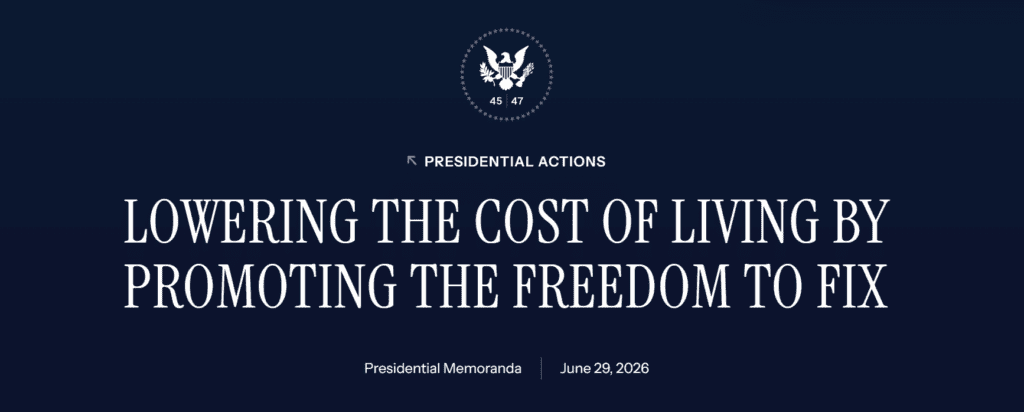
On June 29, 2026, President Trump signed a presidential memorandum called “Lowering the Cost of Living by Promoting the Freedom to Fix.”
The order directs the EPA to change how vehicle repairs and aftermarket parts are handled.
The biggest targets:
The slow and expensive certification process tied to California’s CARB system.
The memo directs the EPA to issue guidance within 30 days on what people can do when repairing emissions systems, speed up approval for aftermarket parts, and encourage new testing organizations to increase competition.
It also tells the EPA to deprioritize civil enforcement against individuals who repair their own vehicles in good faith.
The argument is simple:
If fixing a car requires expensive approved parts and complicated rules, consumers pay more.
Opening the market to more aftermarket options could mean cheaper repairs and more choices for drivers.
But this is where the fight begins.
Critics of the move argue that weaker enforcement could make it easier for some people to modify emissions systems and increase pollution.
Supporters see it differently.
They argue the current system gives too much power to regulators and creates unnecessary costs for ordinary drivers.
The timing is also important.
This comes right after the administration’s broader rollback of federal greenhouse gas vehicle rules, including the repeal of the 2009 Greenhouse Gas Endangerment Finding, which the administration estimated could save $1.3 trillion.
The bigger picture is clear.
The Trump EPA is moving away from using regulation to push vehicle changes and toward lowering ownership costs and expanding consumer choice.
Now the question is whether cheaper repairs become a real benefit for drivers, or whether the environmental tradeoffs become the next major legal battle.